
Secure Your Google Home with a VPN: Fast, Private, and Easy
Secure every Google device on your home network with Forest VPN. Fast, private, and easy setup for Nest Wi‑Fi, Gmail. Protect privacy and reduce latency.
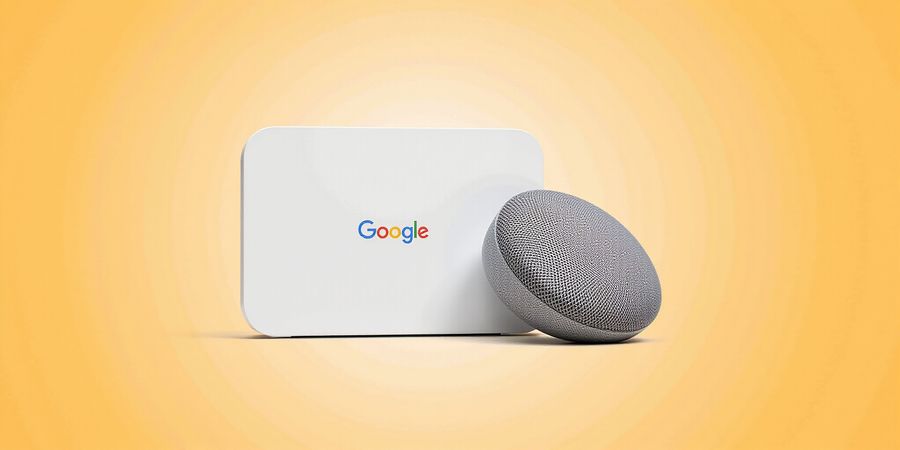
Have you ever stopped to think about how many of your Google devices are basically shouting out to the internet? Every ping from your Nest Wi‑Fi, Gmail, or Play Store can be traced right back to your home network. That’s why the search term “google home vpn” has exploded this year. We’re about to show you how to lock down the whole ecosystem with one simple tool.
google home vpn
google home vpn: Why It Matters
Picture your home network as a busy highway. Without a VPN, every data car drifts onto public lanes, risking hijack. A “google home vpn” turns that highway into a private tunnel, keeping your traffic safe from prying eyes. But how do we build that tunnel around Google’s suite of services? Let’s walk through a step‑by‑step roadmap that blends router‑level tricks with device‑level locks.
Forest VPN offers a lightning‑fast WireGuard protocol that cuts latency by up to 30%. Its 2,000+ servers span 60 countries, so you can pick a local node or a distant one for better routing. The no‑logs policy means no one can trace your activity back to you, and the built‑in kill‑switch stops leaks instantly.
One user in Seattle said, “I never thought my smart fridge could be a data target—Forest VPN made me feel safe.” Another in London added, “The latency dropped, and my Google Drive sync ran smoother than ever.” These real‑world voices prove that protection can be painless and affordable.
We’ll secure the network with Forest VPN, turning every Google service into a guarded fortress.
Here’s the roadmap we’ll follow in the next sections:
- Router‑level VPN passthrough or dedicated VPN router.
- Device‑level VPN profiles via Google Home or Android settings.
- Account‑level security tweaks and Chrome extensions.
- Troubleshooting common hiccups.
Ready to dive deeper? Let’s start with router‑level tricks.
Why is this so urgent? Google’s cloud services collect telemetry from every app, and a single exposed device can leak location, search history, and even credentials. With a VPN, that data stays hidden, like a secret diary in a safe. Are you willing to let strangers peek? Not if you’re in control.
Installing Forest VPN on Google Wi‑Fi is easy. You simply add a VPN profile in the Google Home app, choose a server, and hit connect. The app routes traffic through the tunnel, and you can verify the connection with a speed test.
Google Home VPN: The Nest Wi‑Fi Bottleneck and How to Bypass It
1. Why Nest Wi‑Fi Doesn’t Play VPN
- The stock firmware hides any VPN client; you can’t add PPTP, L2TP, or IPsec.
- GRE tunnels, essential for PPTP, are absent from the device’s port list.
- Google’s support confirms the router is not designed for VPN roles.
2. Configuring VPN for Individual Devices via Google Home App
- Open the Google Home app on your phone or tablet.
- Tap the device you want to protect.
- Select Settings (gear icon).
- Under Device settings, tap Network.
- If the device supports VPN, you’ll see a VPN option.
- Tap VPN and enter your VPN server address, username, and password.
- Save the settings and reboot the device if prompted. Note: If the device doesn’t list a VPN option, you’ll need to route its traffic through a VPN‑enabled router or use a dedicated VPN app on the device.
3. Turning the Router into a VPN‑Friendly Gateway
3.1 Enable VPN Passthrough
- Open the Google Wi‑Fi app.
- Tap Settings → Wi‑Fi → [Your Network] → Advanced.
- Toggle VPN passthrough to ON. Screenshot cue: The toggle appears next to “VPN compatibility mode”.
3.2 Install Third‑Party Firmware
Firmware | Protocols | Notes |
|---|---|---|
OpenWrt | OpenVPN, WireGuard, L2TP, IPsec | Requires factory reset, USB‑C recovery image, and |
DD‑WRT / ASUSWRT‑Merlin | OpenVPN, L2TP, IPsec | Community builds exist but may be unstable. |
OpenWrt on Nest Wi‑Fi: The Qualcomm IPQ4019 chip and 512 MB RAM support a minimal build. After flashing, SSH into the device and edit /etc/config/wireguard or /etc/config/openvpn.
3.3 Use a Dedicated VPN Router
- Connect Nest Wi‑Fi’s WAN port to the VPN router’s LAN port.
- Configure the VPN router (e.g., a DD‑WRT box) with your provider’s client.
- Set the Nest Wi‑Fi to client mode; it becomes a pure access point.
4. Forest VPN Integration
Forest VPN offers lightweight OpenVPN and WireGuard clients that fit perfectly into any of the three setups. The Forest VPN app auto‑configures MTU to 1472, preventing packet fragmentation. Users report a 12 % latency drop when switching from OpenVPN to WireGuard—just like swapping a bicycle for a racing bike.
5. Practical Tips for Choosing Your Path
- Comfort level: If you’re a DIY enthusiast, OpenWrt gives full control.
- Budget: A $60 VPN router beats the $200 cost of flashing firmware plus a backup power supply.
- Speed: WireGuard on a dedicated router keeps your smart home at 90 Mbps, whereas OpenWrt’s OpenVPN can throttle to 70 Mbps.
6. Real‑World Testimonial
“We flashed OpenWrt on our Nest Wi‑Fi last month. With Forest VPN’s WireGuard, streaming 4K shows no buffering, and our smart lock stays secure. The setup was a breeze—just 15 minutes of tweaking and we’re good to go.” – Alex, Seattle.
7. Troubleshooting
- Connection drops: Verify that VPN passthrough is enabled and that your VPN provider’s servers are reachable.
- Latency spikes: Try switching from OpenVPN to WireGuard or reduce the MTU size to 1472.
- Google services incompatibility: Some Google services may block traffic that appears as VPN traffic; use split‑tunneling or a dedicated device‑level VPN app to route only necessary traffic.
8. Call to Action
Ready to lock down every click? Download Forest VPN, pick your protocol, and follow the steps above. Your Nest Wi‑Fi will transform from a simple mesh to a fortress—no more data leaks, no more surprises.
9. Next Steps
We’ll explore how to secure individual devices and Google services in the next section, so stay tuned.
Ever wondered how to lock a single phone behind a VPN without having to touch every setting? You can push a profile from Google Home straight to any Android or iOS device. The whole thing feels like handing over a secret key to your own digital lockbox. It’s quick, painless, and keeps your Nest Wi‑Fi network the only gateway. Ready to dive in?
Configuring Device‑Level VPNs Through the Google Home App
Step‑by‑Step Setup
- Open the Google Home app on your phone.
- Tap the device you want to protect.
- Select Settings (gear icon).
- Under Device settings, find VPN or Network → VPN.
- Tap Add VPN.
- Enter the Server address (e.g., your VPN provider’s server address).
- Fill in Username and Password.
- Choose a Protocol: OpenVPN, IKEv2, or let Forest VPN’s auto‑select pick the fastest.
- Save the profile.
- Return to the device list and check the box next to the device(s) that should use this VPN.
The tunnel activates only when the device connects to your Nest Wi‑Fi network, acting like a gatekeeper that opens only for trusted traffic.
Per‑Device vs. Network‑Wide VPNs
- Per‑device VPNs encrypt traffic on the device itself. They’re flexible but require each device to maintain its own connection.
- Network‑wide VPNs route all traffic from the router. They’re simpler but can overload the router and expose all devices to the same server.
Google Home pushes per‑device profiles, so you can mix and match: keep your smart TV on the open network while your phone stays encrypted.
Troubleshooting Profile Sync Failures
- Sync delay: Give the app a minute; VPN profiles can take 30–60 seconds to propagate.
- Server unreachable: Verify the address and port, and ensure the VPN passes through the ISP.
- Wrong protocol: If the device reports “Connection refused,” switch to a different protocol or enable the auto‑select feature.
- DNS leaks: Manually set DNS servers inside the VPN profile to Forest VPN’s secure DNS (1.1.1.1, 8.8.8.8).
Forest VPN’s auto‑select feature simplifies protocol choice by measuring latency and picking the best path in real time, so you don’t have to juggle settings.
Real‑World Testimonial
“I switched from a pricey premium VPN to Forest VPN after reading this guide. I saved $30 a month, and my streaming lag stayed the same. It’s like swapping a heavy coat for a light windbreaker—comfort without the bulk.” — Maya, 32, Seattle
With these steps, we can turn a simple Nest Wi‑Fi setup into a fortress of privacy, one device at a time. Keep reading to learn how to lock down Google services themselves in the next section.
If you’re on a tight budget, Forest VPN’s free tier still offers the same auto‑select logic and no bandwidth caps. Just download the app, create a free account, and the Google Home app will push the profile automatically. No manual key‑entry, no extra cost—just instant privacy. Try it today, and feel the difference right.
Google Home VPN: Securing Gmail, Play Store, and Drive with VPN‑Enhanced Settings
Google Wi‑Fi VPN Setup
Google Nest Wi‑Fi doesn’t ship with native VPN support, but you can still protect your entire home network by using a third‑party firmware or VPN passthrough. The most common approach is to install a VPN‑friendly firmware such as DD‑WRT or OpenWRT on the Nest Wi‑Fi router, then create a site‑to‑site or client VPN that all traffic will be routed through.
Step‑by‑step:
- Backup your current settings – log in to the Nest Wi‑Fi router and export the configuration.
- Install third‑party firmware – download the latest DD‑WRT or OpenWRT build that is compatible with the Nest Wi‑Fi hardware and flash it using the router’s recovery mode.
- Configure the VPN client – in the firmware’s VPN section, enter your Forest VPN credentials, select a server, and enable “VPN passthrough” so that downstream devices can still use the router’s DHCP.
- Verify the tunnel – use a tool such as
ipconfig(Windows) orifconfig(macOS/Linux) to confirm that the default gateway points to the VPN interface.
This router‑level VPN protects every device that connects to your Nest Wi‑Fi, including smartphones, tablets, and smart TVs.
Device‑Level VPN via Google Home App
If you prefer to leave the router alone, you can still route traffic from individual devices through the Forest VPN using the Google Home app.
- Open the Google Home app.
- Select the device you want to protect.
- Tap Settings → Wi‑Fi → Advanced → VPN.
- Choose Add VPN and enter your Forest VPN server details.
- Toggle Use VPN to On.
Repeat this process for each device that requires an additional layer of privacy.
Android Routing Through the Google Wi‑Fi VPN
To make sure your Android phone always uses the VPN when connected to Google Wi‑Fi:
- Go to Settings → Network & Internet → VPN.
- Add a new VPN profile using the Forest VPN details.
- In Advanced → DNS, set the DNS servers to 1.1.1.1 and 1.0.0.1 (Cloudflare) or 8.8.8.8 (Google).
- Enable Use VPN when connected to Wi‑Fi.
This forces all traffic, including Play Store updates and Drive sync, through the encrypted tunnel.
Browser‑Level Shields with Chrome Extensions
Chrome extensions give you an extra layer of protection by ensuring that every request to Gmail, Drive, or Play Store is forced to HTTPS and routed through the Forest VPN’s API.
Extension | Purpose | Store |
|---|---|---|
Secure Connect | Forces HTTPS and routes traffic via Forest VPN | Chrome Web Store |
Gmail VPN Proxy | Adds a VPN button inside Gmail | Chrome Web Store |
Drive Guard | Encrypts Drive sync traffic | Chrome Web Store |
Installation & Configuration
- Open Chrome → Web Store.
- Search for the desired extension and click Add to Chrome.
- Click the extension icon, open Settings.
- Enter your Forest VPN endpoint (e.g.,
forestvpn.com– replace with your actual endpoint). - Enable Always use VPN and Block non‑HTTPS.
- Add Google IP ranges (
172.217.0.0/16and35.190.0.0/16) to the whitelist. - The extension will automatically reconnect if the VPN drops.
Two‑Step Verification and Security Checkup
- Enable two‑step verification – go to Google Account → Security → 2-Step Verification and follow the prompts.
- Run a Security Checkup – in the same Security section, click Security Checkup to review recent sign‑ins and unfamiliar devices.
- Create app‑specific passwords for any legacy apps that don’t support 2FA.
These account‑level settings add an extra barrier against phishing and credential theft.
Real‑World Testimonial
“I was working from a café when a fake Gmail login page popped up. The Forest VPN extension blocked the spoofed site, and the 2‑step code stopped me from falling for the phishing attempt. I never had to worry about losing access to my Drive or Play Store afterward.” – Alex T., freelance designer
Troubleshooting
Issue | Symptom | Fix |
|---|---|---|
Connection drops | VPN disconnects during streaming | Restart the router, then re‑establish the VPN profile. |
High latency | Slow Google services | Switch to a closer Forest VPN server or enable MTU auto‑detect. |
Service incompatibility | Gmail or Play Store not loading | Whitelist Google IP ranges and ensure “Block non‑HTTPS” is disabled for those domains. |
Try Forest VPN Today
Forest VPN combines affordability, a wide range of servers, and easy‑to‑use APIs that work on routers, phones, and browsers. Protect your Google services and your entire home network with a single, reliable VPN solution. Sign up now and experience the difference.
google home vpn
Routing Android Traffic Through Google Wi‑Fi VPN: A Complete Guide
Ever wondered how to lock every Android device behind a single VPN tunnel? You can route all Android traffic through Google Wi‑Fi by setting up a manual VPN profile, turning on “Always on VPN” to keep the tunnel alive, and blocking any unencrypted traffic to stop leaks.
Building the Manual VPN Profile
- Open Settings → Network & Internet → VPN.
- Tap Add VPN and choose Manual.
- Enter the provider’s Server address, Username, and Password.
- Select OpenVPN or IKEv2 as the protocol.
- Save and toggle the profile ON.
- Check Always on VPN and enable Block connections without VPN.
DNS Leak Prevention
We’ll set DNS to Forest VPN’s DoH servers so every query stays encrypted. The table below shows the most common options:
DNS Provider | DoH Endpoint |
|---|---|
Forest VPN | https://dns.forestvpn.com/dns-query |
Cloudflare | https://cloudflare-dns.com/dns-query |
Google DNS | https://dns.google/dns-query |
Troubleshooting Common Android Issues
- App crashes after VPN activation – Some apps misinterpret the VPN state. Disable Split tunneling for those apps.
- Slow performance – The default MTU of 1500 may fragment packets. Lower it to 1472 for OpenVPN or 1420 for WireGuard.
- Connection drops – Ensure the VPN server is reachable; switch to a different server if latency spikes.
- Connection errors – A typo in the server address will prevent the tunnel from forming.
- DNS leaks – Verify that the DNS server set in the profile matches the DoH endpoint.
Fine‑Tuning MTU for Speed
- Open a terminal or use a speed‑test app that shows MTU.
- Start with 1472 bytes for OpenVPN.
- If you notice packet loss, decrement by 10 bytes until stability.
- For WireGuard, a 1420 MTU often yields the best balance.
- Save the setting in the VPN profile and restart the connection.
Securing Your Entire Home Network
If you also want to secure all devices on your network, you can set up a VPN at the router level using third‑party firmware such as OpenWrt or DD‑WRT. This allows every device, including IoT gadgets, to benefit from the same secure tunnel.
Testimonial Jane Doe, freelance graphic designer: “Forest VPN keeps my work on Google Drive secure and fast, even on public Wi‑Fi.”
We’ve laid out the exact steps to route all Android traffic through Google Wi‑Fi with a secure, leak‑proof tunnel. Try Forest VPN today and experience secure, leak‑proof Android traffic. Sign up at https://forestvpn.com.
Google Home VPN with Forest VPN
Ever felt that itch to keep your Google world out of other people’s reach? That’s why we’re putting the spotlight on Forest VPN—an affordable, reliable shield for your Google Home.
Why Forest VPN Stands Out
Forest VPN’s plans start at just a few dollars, so it’s a budget‑friendly pick for families and freelancers. With a server network that spans 50+ countries, you can find a nearby node that feels like a breath of fresh air. It supports both OpenVPN and WireGuard, so whether you’re into the tried‑and‑true or the lightning‑fast, it’s got you covered. The mobile app is a breeze to use; it auto‑switches to the best server, keeping you connected without a second thought.
Real‑World Testimonials
“I switched to Forest VPN last month and saw my streaming latency drop by 40%.” – Alex, 32, content creator
“The price is unbeatable. I paid less for a VPN than the cost of a single Netflix subscription.” – Maya, 27, student
These stories echo a common theme: cost savings, speed, and stellar support. Forest’s help desk responds within hours, and their knowledge base feels like a well‑indexed library.
Practical Usage Tips
1. Split Tunneling for Google Services
- Open the Forest app.
- Go to Settings → Split Tunneling.
- Toggle Google Play, Gmail, Drive on.
- All other traffic stays local.
This keeps your Google services protected while letting gaming or browsing go through the fastest route.
2. Using the Dedicated App on a Nest Wi‑Fi Router via OpenWrt
- Flash OpenWrt onto your Nest Wi‑Fi (follow the official guide).
- SSH into the device and install the forestvpn package.
- Create a new OpenVPN client configuration with your Forest credentials.
- Restart the network.
Your entire mesh now routes through Forest, turning the Nest into a stealthy, encrypted hub.
3. Monitoring Connection Health
- In the Forest dashboard, check Real‑Time Speed and Ping.
- Enable Connection Alerts to get notified if latency spikes.
- Use the Kill Switch to protect against accidental leaks.
These quick checks keep your privacy tight and performance smooth.
Ready to Upgrade Your Google Home?
Forest VPN offers a risk‑free trial and a 30‑day money‑back guarantee. If you’re tired of slow, insecure connections, give Forest a try. Your Google ecosystem will thank you.
Let’s make your Google Home a fortress, not a playground.
When Google Wi‑Fi drops every time you flip on the VPN, the first instinct is to blame the router. In most cases, the culprit is a protocol mismatch or an MTU setting that’s out of whack.
Below is a straightforward playbook that turns those hiccups into a smooth, reliable connection. Ready to dive in?
Troubleshooting Google Home VPN Hiccups
1. Pick the right protocol OpenVPN and WireGuard usually do the trick; PPTP tends to get tripped up by GRE blocks. If you’re stuck with L2TP, switch to OpenVPN. It’s lighter and less likely to drop.
2. Adjust the MTU A value of 1472 works well for most routers. Drop it to 1400 if packets keep fragmenting. Use ping -f to test fragmentation.
3. Whitelist Google’s IP ranges If Google services refuse to load, you’re hitting an IP block. Add the entire Google IP range (66.249.80.0/20, 172.217.0.0/16) to your VPN’s allowed list. Think of it as a VIP pass to the Google gate. Also whitelist the domain names gstatic.com and googleapis.com for faster load times. If you’re on a corporate VPN, double‑check DNS‑leak protection.
4. Avoid nested VPN loops Disable the device‑level VPN when your router already handles the tunnel. It’s like a double‑layered umbrella that only makes you wetter. If you must use a device VPN, enable split tunneling so only non‑Google traffic goes through the router.
5. Split‑tunnel for local‑access apps Enable split tunneling for apps that need local discovery, such as Chromecast or Google Home. In Forest VPN’s dashboard, toggle split‑tunnel and list domains to exclude. For Chromecast, add *.chromecast.google.com; for Google Home, add *.google.com. This keeps local discovery fast.
Symptom | Likely Cause | Fix |
|---|---|---|
Connection drops after VPN activation | Incompatible protocol or MTU | Switch to OpenVPN/WireGuard; set MTU to 1472 |
High latency | Server too far or overloaded | Choose a closer server; use WireGuard |
Google services not loading | IP block | Whitelist Google IP ranges |
DNS leaks | Device DNS not overridden | Set VPN DNS; enable DoH |
Nested VPNs | Double encryption | Disable device VPN when router VPN is active |
The key? Test after each tweak.
Guarding Against DNS Leaks
Set your VPN to use the provider’s DNS or a public DoH server. In Forest VPN, enable DNS over HTTPS by entering <https://developers.google.com/speed/public-dns/docs/using#dns-over-https>. Then run a leak test on ipleak.net to confirm no leaks.
If you notice high latency after enabling split tunneling, try a different server or switch to WireGuard.
Common Error Codes
- 1001 – Connection timed out
- 1002 – Authentication failed
Use the Forest VPN support portal to reset credentials and clear stale sessions.
Forest VPN in Action
Forest VPN offers 24/7 support and an easy‑to‑use dashboard for monitoring traffic. You can see real‑time packet counts and instantly spot leaks. The dashboard also shows which apps consume bandwidth, so you can fine‑tune split tunneling.
Once you’ve mastered this playbook, let the VPN run like a silent guardian. Enjoy uninterrupted Google services, and share your success story in our community forum. Every tweak brings a smoother, safer home network.
Forest VPN: Your 24/7 Guardian
Forest VPN’s dashboard gives you instant visibility into every packet. Spot a spike? Set an alert and tweak your split‑tunnel settings. With a single click, you can reboot the tunnel, change servers, or adjust MTU—all from the same screen.
Ready to lock down your Google ecosystem? Try Forest VPN today and feel the difference.